
Stories of near death experiences often spark curiosity, skepticism, or quiet reflection. Regardless of belief, these accounts tend to share a common thread. People return changed. They describe a deeper awareness of connection, compassion, and the value of life. At their core, near death experiences invite us to reconsider how we treat one another.
Empathy is not something we are born fully understanding. It grows through experience, vulnerability, and reflection. And near death stories offer insight into how empathy can expand when we see beyond ourselves.
A shift in perspective
Many people who report near death experiences describe a sudden clarity about what matters. Status, conflict, and resentment often lose importance. Relationships and kindness come into focus. This shift reminds us that empathy begins when we recognize the shared humanity in others.
Understanding pain more deeply
After facing mortality, people often report being more sensitive to suffering. They listen more carefully. They judge less quickly. Experiencing vulnerability firsthand can soften rigid views and make room for compassion.
Seeing connection instead of separation
A common theme in these experiences is a sense of connection. People describe feeling linked to others, to life, and sometimes to animals in ways they had not before. This sense of connection encourages empathy by reducing the illusion that we are separate from one another.
Compassion without conditions
Near death experiences often highlight acceptance rather than evaluation. People describe feeling understood without explanation. This can teach us to offer empathy without needing to fix, correct, or explain someone else’s pain.
Learning to listen
Empathy grows when we listen without planning a response. Many near death accounts emphasize the importance of presence. Being fully present with someone who is hurting is often more powerful than offering advice.
Extending empathy to animals
Some individuals report a deeper respect for animals after these experiences. They describe recognizing animals as emotional beings capable of connection and trust. This expanded empathy can change how people care for animals and view loss.
Living with intention
Facing mortality often leads people to live more intentionally. They choose kindness more often. They speak gently. They value time and relationships. Empathy becomes a daily practice rather than an abstract idea.
Quiet lessons that linger
Near-death experiences do not need to be dramatic to be meaningful. Their lessons often boil down to simple choices. How do we treat a stranger? How do we respond to grief? How do we show patience when it is difficult?
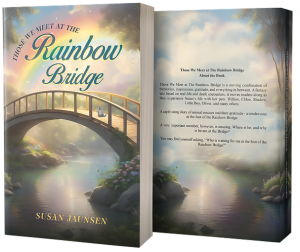
Suggested reading: Books that explore love, loss, and connection can support this kind of reflection. Those We Meet at the Rainbow Bridge by Susan Jaunsen offers a thoughtful narrative that touches on compassion, animal bonds, and the emotional insights that follow profound experiences, inviting readers to consider empathy through a softer lens. Through stories of rabbits, cats, dogs, birds, and even honey bees, Susan Jaunsen honors the quiet impact animals have on our lives and the grief that follows during a near-death experience or when they are gone. Written to comfort those mourning a beloved companion, this book offers reassurance that love does not end with loss and that the bonds we form continue in meaningful ways beyond goodbye.
Here is a link to purchase your copy: https://www.amazon.com/dp/B0GBPTBPP5/.
That being said, we do not need extraordinary experiences to practice empathy. We only need awareness. Listening. And the willingness to care. Near death stories remind us that empathy is not something added to life. It is what gives life meaning.
